
Technical Skills Training Program
We train young people ages 12 to 25 in real, hands-on skills, not just theory, at our own training facility in Abesim. Before anyone picks a track, we sit down with them, run an aptitude assessment, and talk through what they're actually good at and where the jobs are. Then they choose: Digital Skills or a Trade Skills Apprenticeship.
Digital Skills is our biggest track by far. For young people with little to no prior exposure to computers, it's a first real chance to:
- Bridge the digital divide.
- Discover options they didn't know existed.
- Become employable in a market that increasingly runs online.
The training itself is secular. Enrolment is open to everyone regardless of religion or belief, and we never ask about belief at intake. Everyone is welcome, whatever their background or belief.
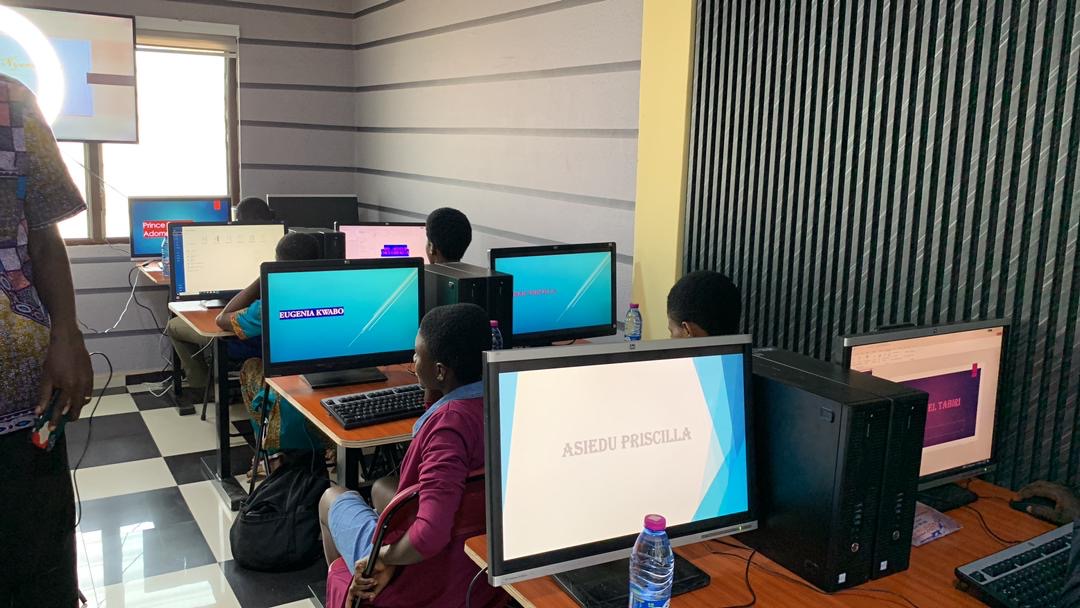
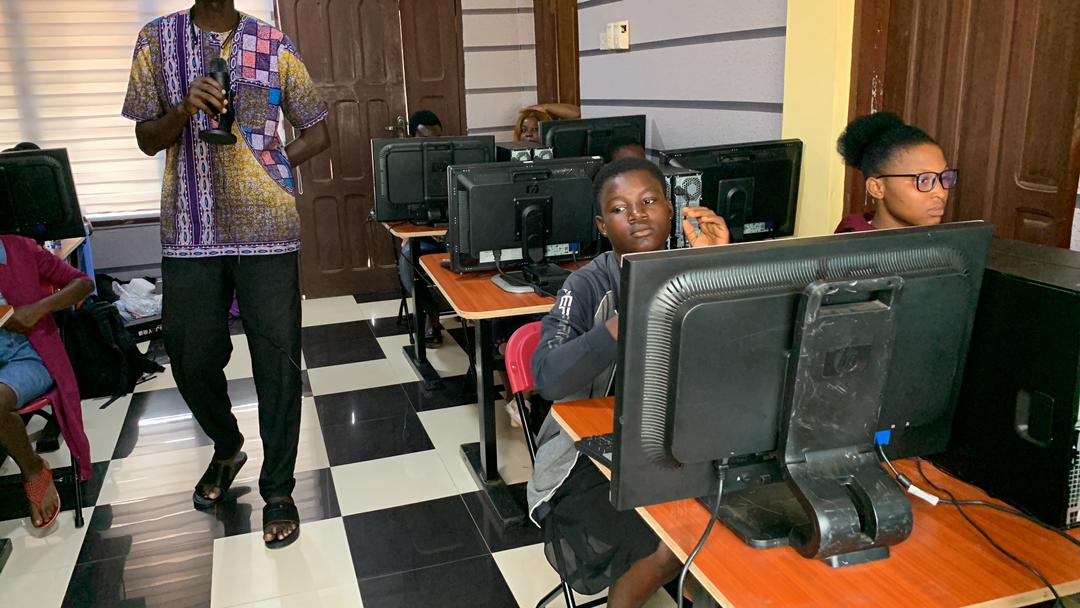
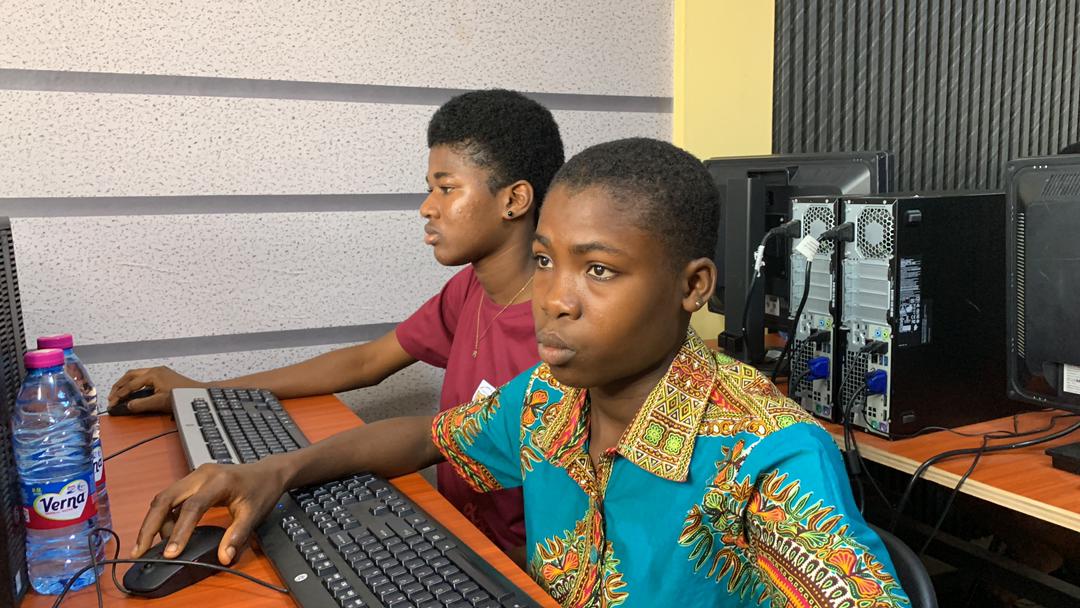
Our Own Training Facility
We took premises in Abesim in February 2024 and bought a sixteen-machine computer training suite in June 2024. Digital Skills training has been delivered in house, on our own equipment, ever since. Community halls and church halls are still part of how we work, but for recruitment and community engagement, not as the training venue.
Digital Skills: The Progression
Every beneficiary is assessed at intake and grouped by starting level, not age. About half arrive having never operated a computer, or having used one only to watch films. From there, training moves through the same seven stages:
- Start where you are. Intake assessment groups each beneficiary by actual starting level, not assumptions.
- Introduction to the computer. For those who have never used one before.
- Microsoft Word and Excel, taught inside the applications themselves rather than from a textbook.
- Programming with Scratch 3.
- Practical AI. Current generative AI tools for content generation, image work, and graphic design, including direct teaching on where the tools fail and how to use them safely.
- Introductory coding in Visual Studio Code, with AI assistance, for those who progress furthest.
- 3D printing on our own printer.
Online safety and personal data protection are taught throughout this progression, not as a separate module.
Because it's a progression rather than a fixed syllabus, a complete beginner and an advanced learner can be in the same programme at the same time without either being left behind, each working at the stage that's actually theirs.
How It Runs
Sessions
Two to three hours long, fifteen beneficiaries at a time, up to two sessions a day.
Scheduling
Intensive cohorts run during school vacations and right after the BECE and WASSCE exams. Saturday sessions run during term time, and weekday places are kept for those who have already left school — so a young person still in school has a real way to attend.
Trade Skills Apprenticeship
A separate track with its own intake: beneficiaries go through the same aptitude assessment at the start, then choose Trade Skills instead of Digital Skills.
The Trade Skills Apprenticeship covers sewing, plumbing, masonry, carpentry, and electrical work, trades that stay in demand in a growing city like Sunyani.
Once trained, apprentices are connected to real clients and job sites where they can put those skills to work and start earning.
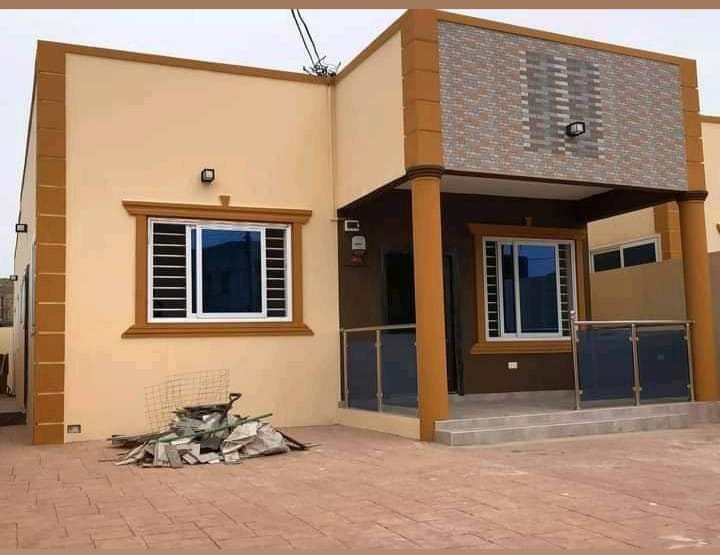
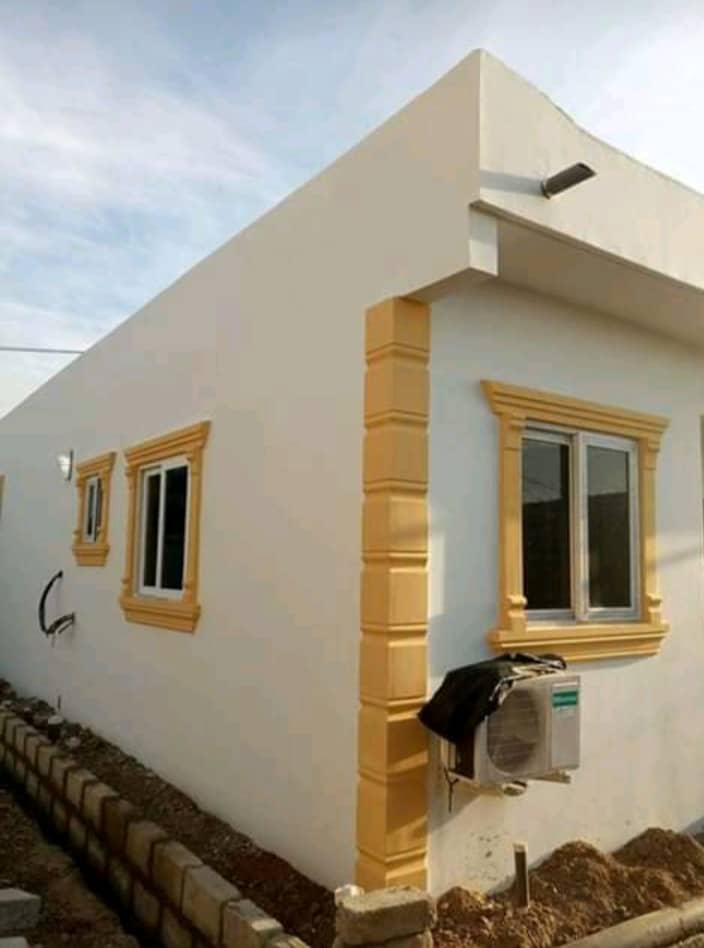
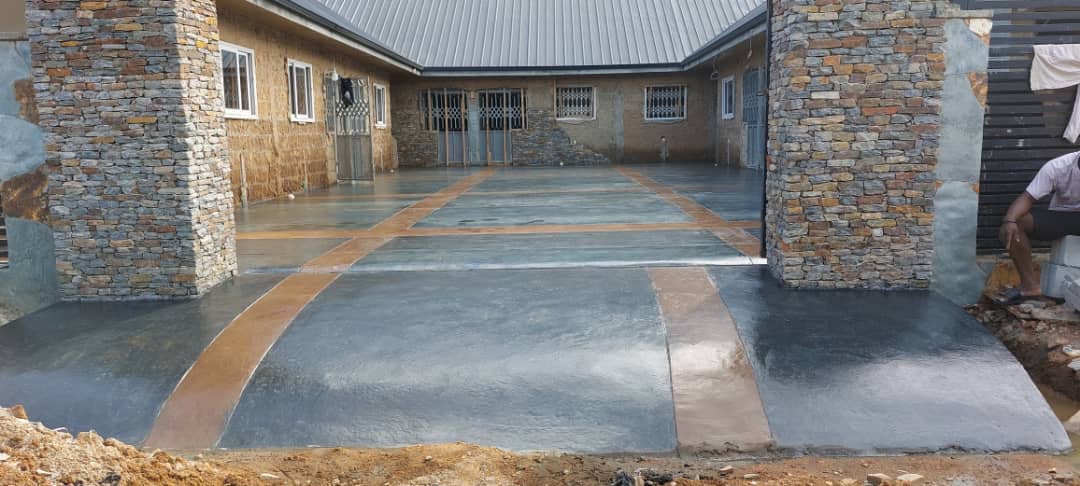
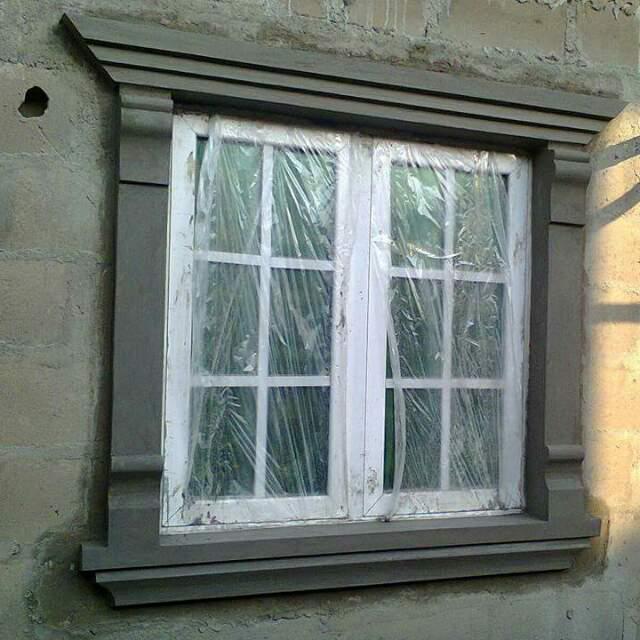
Projects executed by our beneficiaries